
In the industrial sector, quality is more than a metric—it is the foundation of operational uptime. We bridge the gap between complex power requirements and field-level durability through rigorous process control, international compliance readiness, and a manufacturing philosophy centered on long-term supply trust.

For industrial buyers, quality and compliance are not decorative claims. They are part of purchasing risk control. A strong Quality & Compliance page helps visitors understand how you reduce supply risk, product inconsistency, and project uncertainty.

International buyers want to know whether your products can be delivered with stable consistency, clearer traceability, and lower quality variation across orders.
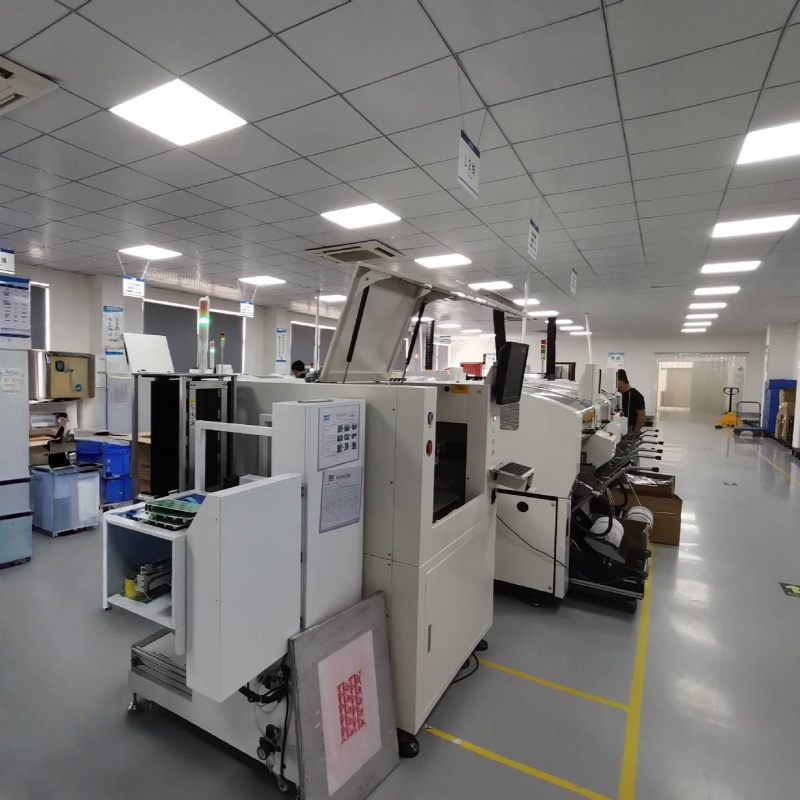
For distributors, brand owners, and OEM / ODM customers, quality control is directly linked to after-sales pressure, reputation protection, and long-term market confidence.
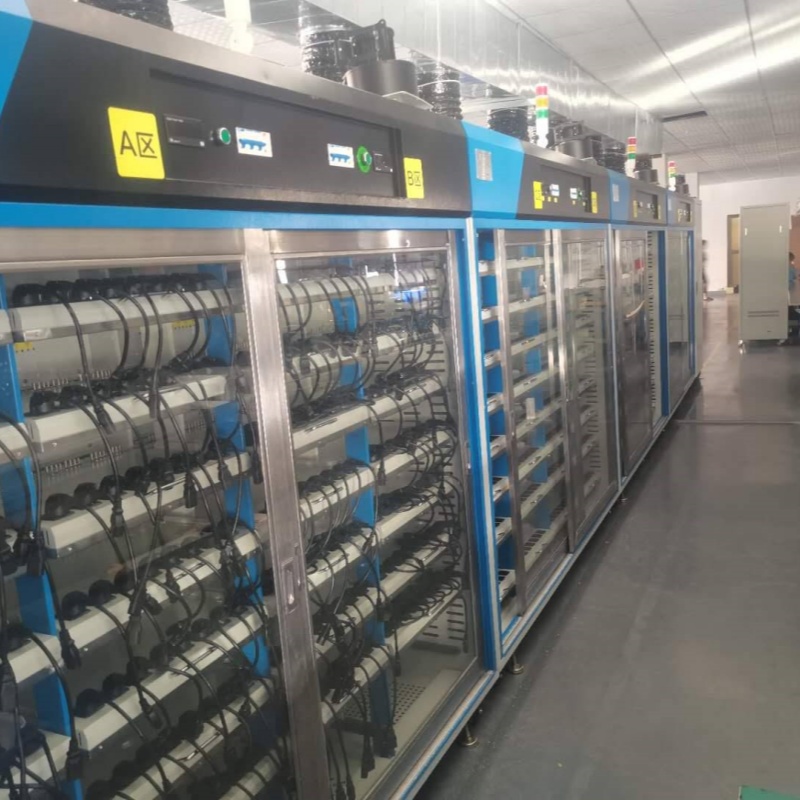
A structured quality page helps buyers see that your company approaches product standards, verification, and documentation in a more disciplined and professional way.
Use this section to show that quality is built into the product and production process rather than treated as a final-stage inspection activity.
We focus on product logic, design matching, and structured manufacturing discipline to reduce preventable issues before products reach the customer.
Quality control should be integrated across material review, production workflow, assembly control, and final verification — not limited to a single checkpoint.
For repeat business, buyers care about whether the same product can be delivered with stable specifications, appearance, and function over time.
Quality confidence is strengthened when technical details, product logic, and compliance expectations are communicated clearly and consistently.
This section helps buyers understand the specific areas where quality discipline is applied throughout product development and delivery.
Control starts with the incoming side. Buyers want confidence that key components and materials are selected with consistency and project suitability in mind.
A structured assembly workflow helps reduce variation and improves repeatability across production batches.
Products should be checked against key functional requirements so customers receive units that align with the expected application logic.
Industrial buyers also care about structure, finish, labeling, and overall product presentation because these affect brand perception and field confidence.
Final-stage checks should confirm whether finished products match technical and commercial expectations before shipment.
Packaging, product marking, and documentation preparation are part of perceived quality because they shape the customer’s first impression and reduce avoidable issues.
Compliance is often a documentation and process-confidence issue as much as a certification issue. Buyers want to know whether your team can support the compliance expectations of their market.
Different buyers and markets may require different standards, declarations, or supporting documents. A capable supplier should understand this reality.
Buyers often need product-related documents, technical confirmations, or compliance materials to support import, sales, or project approval workflows.
For customized projects, compliance discussion may need to start earlier so the final product structure supports the target market more effectively.
Compliance readiness matters more when customers plan repeat orders or long-term distribution rather than one-off transactions.
This section is built to show buyers that quality discipline is directly linked to easier cooperation, lower after-sales pressure, and stronger long-term business confidence.
Better quality discipline helps reduce avoidable claims, confusion, and post-sale friction for distributors and project customers.
Buyers are more likely to reorder when they believe the supplier can maintain product consistency over time.
For private-label and OEM partners, quality is inseparable from brand reputation and long-term channel development.
Structured quality processes often make issue handling, documentation support, and requirement confirmation more efficient.
Clear product family structure and cleaner specification logic help buyers feel that the company is organized and easier to work with.
When visitors can see how your company thinks about quality, they are more likely to trust your operational discipline.
Buyers want signs that your team understands documentation needs and can support real export-market requirements.
A well-structured quality page itself becomes a trust signal because it reflects how seriously the company treats buyer concerns.
Tell us your market, documentation requirement, product focus, or OEM / ODM direction. We will recommend a suitable quality and compliance support path.